
Anonymized case · Platform modernization and product development
Rebuilding an online fitness business as one coherent platform.
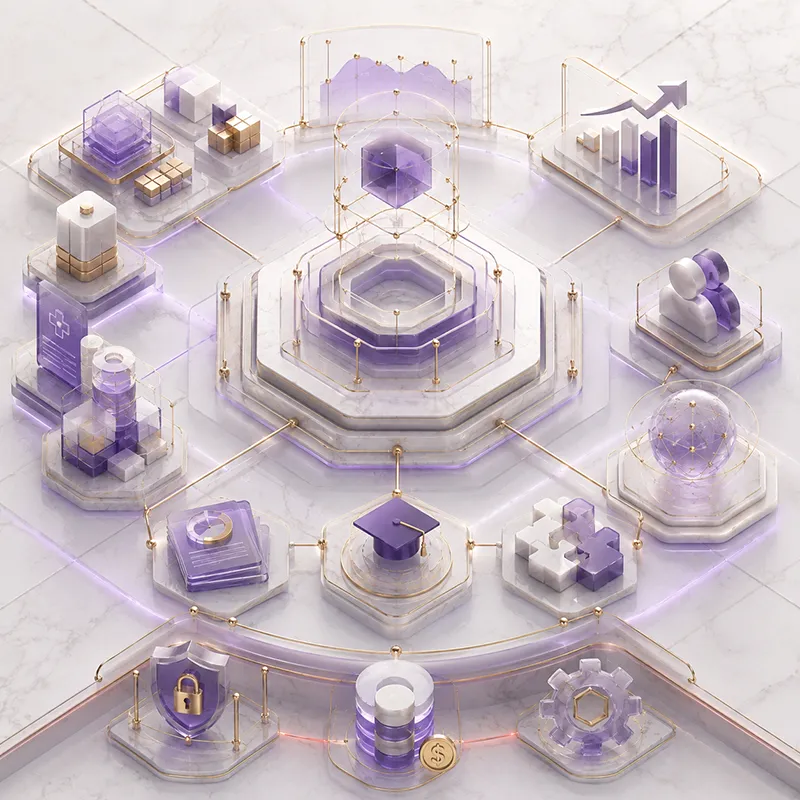
An established German online fitness business depended on undocumented legacy software assembled from ageing VBS, PHP, and disconnected tools. Neoground reconstructed the existing system, migrated more than 80,000 users, and transformed the service into a unified platform for discovery, subscriptions, training, knowledge, tracking, live participation, and community.
- Client
- Established German online fitness platform
- Engagement
- Platform modernization and product development
- Primary period
- 2018–2021
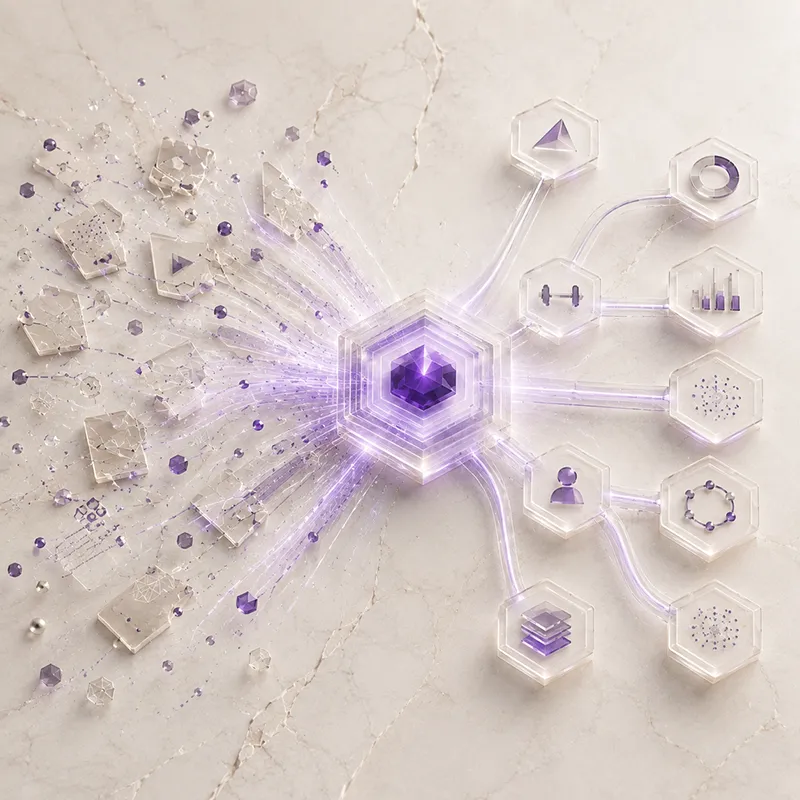
Existing member accounts and business-critical records were transferred into the rebuilt platform.
The number of paying memberships tripled during the broader product and platform engagement.
Improved product coherence, usability, and engagement contributed to materially stronger retention.
Navigate this case study
Context
A successful online fitness business depended on software nobody could properly explain.
The client had built a substantial online fitness business around training videos, member subscriptions, personal tracking, educational content, and recurring participation. More than 80,000 registered users already depended on the platform.
The underlying technology had grown over many years into a mixture of ageing VBS, older PHP, separate tools, and fragmented service areas. The platform remained comparatively stable, but its structure, dependencies, and business logic were poorly documented.
When the previous technical maintainer became unexpectedly unavailable, the company lost the person who held most of the remaining operational knowledge. A commercially important platform was still running, but there was no reliable map of how it worked or how safely it could be changed.
Challenge
Preserve the operating business while replacing the foundation beneath it.
The project could not begin as an ordinary greenfield build. Existing accounts, subscriptions, content, activity records, and operational workflows had to remain intact while undocumented behaviour was identified and reconstructed.
At the same time, reproducing the old system exactly would have preserved the fragmentation, manual effort, and product limitations that had accumulated around it.
Neoground therefore had to solve several connected problems:
- Reverse-engineer the legacy software and recover its implicit business rules.
- Reconstruct the user, subscription, content, and activity data into a dependable model.
- Migrate more than 80,000 existing users without disrupting the active service.
- Unify disconnected product areas and administrative tools.
- Simplify recurring operational work and reduce manual intervention.
- Create a platform foundation that could support continued product growth.
Modernization and rebuild
Reconstruct what exists, separate what matters, and rebuild around the actual product.
Neoground first treated the legacy environment as a reverse-engineering problem. Existing code, databases, interfaces, workflows, and visible product behaviour were examined together to establish how the platform functioned in practice.
This reconstruction created enough confidence to distinguish essential business capability from historical implementation detail. The platform could then be redesigned around a coherent application model instead of carrying each inherited boundary into the new system.
-
01
Legacy reconstruction
Ageing VBS and PHP components, databases, user flows, subscription behaviour, and operational dependencies were mapped without relying on usable documentation.
-
02
Data and account migration
More than 80,000 existing users and their relevant platform records were transferred into the rebuilt environment through controlled migration and validation.
-
03
Unified application core
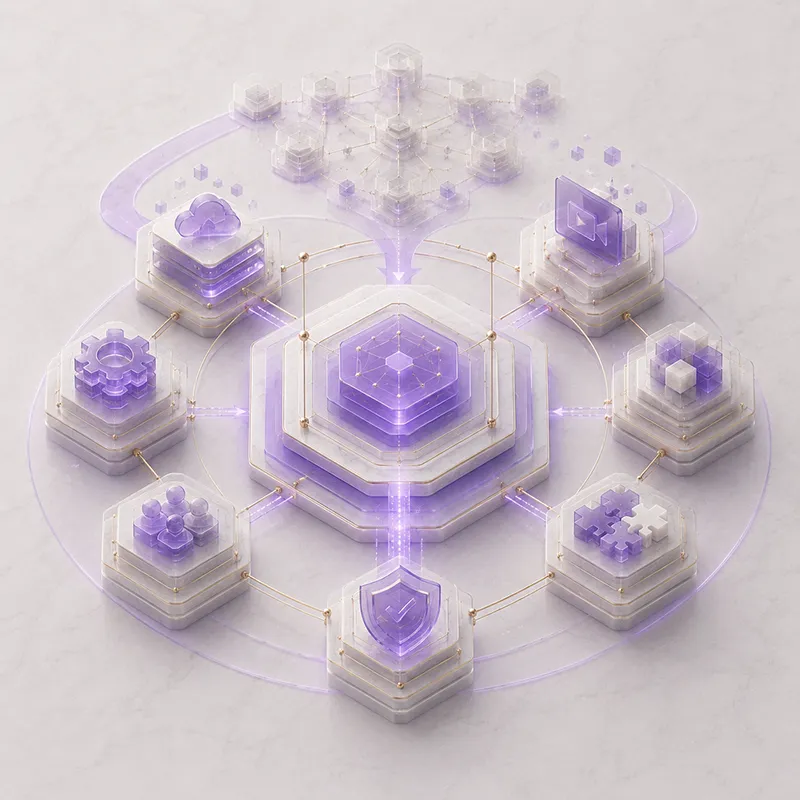
Previously fragmented areas were brought into one web application with consistent accounts, permissions, navigation, content relationships, and administrative logic.
-
04
Subscription simplification
Membership structures and recurring workflows were redesigned to make the commercial model easier to understand, administer, and extend.
-
05
Operational automation
Repetitive manual processes and common platform-management tasks were automated or consolidated into clearer internal workflows.
-
06
Progressive release
New capabilities were introduced around a stable operating business rather than through a disruptive replacement event.
Digital platform
The rebuilt product connected discovery, membership, training, knowledge, and participation.
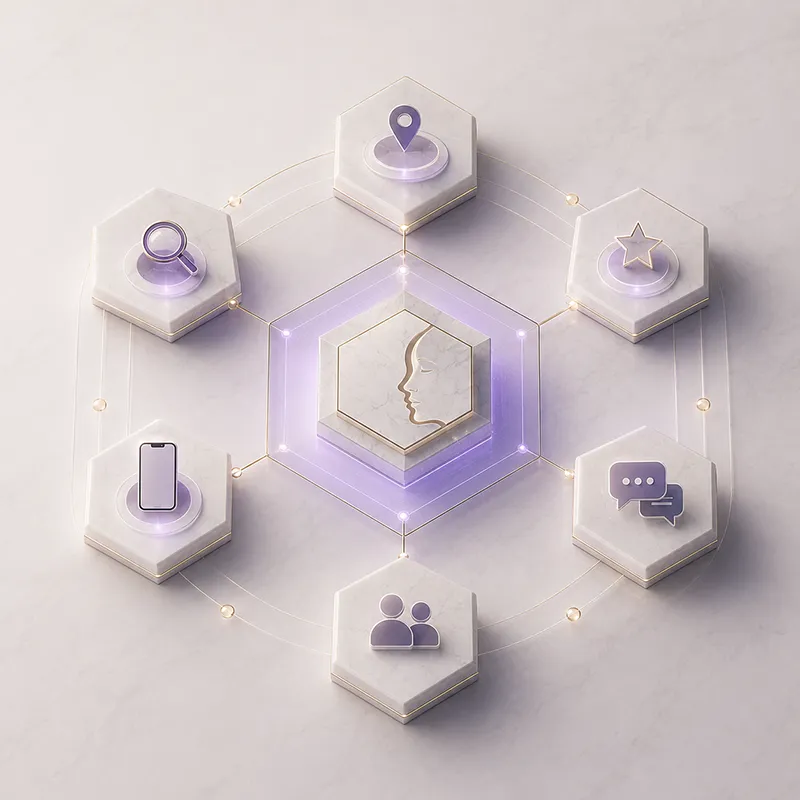
The former environment behaved like several related services. The rebuilt platform behaved like one product. A member could register, select a subscription, access training content, track progress, explore educational material, participate in live formats, and interact with the community through a consistent account and interface.
The public experience was also redesigned. A free tier and substantially more visible preview content allowed prospective members to understand the platform before committing to an account or paid subscription.
This changed the platform from a mostly closed membership environment into a discoverable digital destination with clearer paths from initial interest to repeated participation.
- Public previews and a free access tier
- Registration, authentication, and subscription management
- Fitness videos and structured training content
- Personal activity and progress tracking
- A knowledge base covering fitness, nutrition, and underlying scientific principles
- Advanced profile analysis and improved fitness-oriented user experience
- Live streaming and interactive participation
- Shared administration across formerly disconnected product areas
Product evolution
User behaviour shaped the next layer of the platform.
As video engagement increased, comments and direct interaction became a more important part of the experience. Rather than treating this as an isolated feature request, Neoground developed the platform toward a stronger community model.
A social layer introduced a news feed, friendships, direct messages, conversations, and closer interaction between the core team and its members. The functionality was used extensively and gave participation a persistent home inside the product instead of dispersing it across external channels.
The platform also became a dependable integration point for applications and third-party providers developed outside the engagement. Its interfaces ultimately handled more than five million API calls per month in addition to the primary web experience.
The strategic judgment
The safest migration path was also an opportunity to redesign the business as a product.
A narrow technical replacement could have transferred the existing code and interfaces into a newer stack while leaving the underlying fragmentation untouched. A completely detached greenfield project would have risked overlooking years of embedded business behaviour.
Neoground combined reverse engineering, application development, product architecture, migration, and workflow redesign. The old system was studied closely enough to preserve what the business depended on, but not followed so literally that its limitations became permanent.
This allowed modernization and product development to proceed as one programme. Technical continuity protected the existing business while a clearer platform model improved discovery, administration, engagement, and future extensibility.
Preserve the accumulated business knowledge, not the accidental structure in which it was found.
Outcome
A stable technical transition became a durable platform for growth.
More than 80,000 users were migrated successfully into the rebuilt system. By the end of the broader engagement, the platform had grown to more than 160,000 registered users, effectively doubling its user base.
Paying subscriptions had tripled, while membership cancellations were approximately 20 percent lower. The platform also supported substantially deeper interaction around videos, community features, live formats, and personalized fitness experiences.
Internally, previously fragmented tools and repetitive tasks became easier to manage. Automation and a unified administrative model reduced operational friction and made routine platform work faster and less dependent on technical intervention.
The resulting application core remained the foundation of the service for years after the primary rebuild. Technology became less visible to the organization precisely because the platform operated reliably, absorbed continued growth, and supported further services without recurring disruption.
- More than 80,000 existing users migrated successfully.
- The registered user base grew to more than 160,000.
- Paying subscriptions increased to approximately three times the earlier level.
- Membership cancellations fell by approximately 20 percent.
- Community participation and interaction around fitness content increased.
- Third-party applications and providers generated more than five million API calls per month.
- Platform administration became faster, simpler, and less dependent on manual processes.
Discovery, subscriptions, training, knowledge, tracking, live participation, and community became parts of one connected experience.
The user base doubled, paid memberships tripled, and cancellations declined during the engagement.
The rebuilt foundation supported continued operation, integrations, and product expansion for years.
Confidentiality note
Why this case remains anonymized.
The engagement involved business-critical software, historical platform data, internal operating processes, and a sensitive transition from a previous technical relationship. The client and identifying product details are therefore omitted.
The client did not commission or approve this public case study, and no testimonial or endorsement is implied. The migration scale and stated product and business outcomes reflect the documented engagement, while implementation details have been generalized to protect confidentiality.