

Infrastructure · Platform Operations

Run the platform as one living production system.

Neoground operates SaaS products and online platforms across application releases, infrastructure, databases, monitoring, backups, incidents, performance, capacity, and technical continuity.

Application and infrastructure Release and incident continuity Performance and capacity Founder-led technical responsibility
Beyond server management

Platform Operations follows the service the users depend on. The application, data, dependencies, releases, infrastructure, and operating decisions remain connected.

Platform operating models

Start with a visible monthly operating level.

The final scope depends on users, architecture, release frequency, availability, vendors, data, and support expectations. These anchors establish the typical commitment.

Focused production platform

Platform Care

For a stable SaaS or online platform needing recurring releases, observation, maintenance, and technical continuity.

Operations from $2,250 per month, infrastructure billed separately
  • Application and infrastructure overview
  • Release and deployment coordination
  • Monitoring, backups, and routine maintenance
  • Incident investigation during agreed coverage
  • Monthly technical and capacity review
Discuss Platform Care
Critical or larger platform

Critical Platform

For higher availability, several environments, larger service topologies, formal response needs, or continuous engineering.

Pricing Custom based on platform and service level
  • Custom coverage and response model
  • Several services or environments
  • On-call and escalation design
  • Continuity and disaster-recovery planning
  • Dedicated operating and engineering capacity
Scope the platform
Onboarding and stabilization

A paid platform review, documentation, stabilization, or migration phase is normally required before recurring operations begin. The service does not conceal accumulated product or architecture work inside the monthly operating fee.

End-to-end operation

Follow the user-facing service across every technical layer.

Platform reliability depends on application behavior, data, external services, releases, infrastructure, and the team’s ability to understand change.

01
Product and application

User flows, background work, dependencies, releases, errors, and application-level performance.

Experience
02
Data and services

Databases, caches, queues, storage, APIs, integrations, billing, and external dependencies.

State
03
Infrastructure

Linux hosts, network, compute, storage, deployment, monitoring, backups, and capacity.

Foundation
04
Operating model

Ownership, release decisions, incident response, runbooks, communication, and technical continuity.

Responsibility
Operating layer Neoground platform operations

Automation and AI-assisted analysis help combine application, infrastructure, and incident signals. Production responsibility, prioritization, releases, and recovery remain human-led.

The platform is the service users experience — not the server, repository, or monitoring tool considered alone.

Neoground establishes one operational view across the platform, keeps release and incident context connected, and identifies when a reliability problem is actually an application, data, architecture, or product problem.

The relationship can remain focused on operation or include implementation and modernization where the platform needs deeper change.

  • Application and infrastructure signals viewed together
  • Releases designed with verification and rollback
  • Incidents documented as system learning
  • Capacity and performance reviewed before pressure becomes failure
  • Operational work connected to product and architecture direction
View current service status

Platform Operations coverage

Operate the service from release to recovery.

The exact responsibilities and response model are documented for the platform.

Change

Release coordination

Deployment preparation, change review, release execution, verification, rollback, and post-release observation.

Application

Health and errors

User-facing availability, application errors, background jobs, queues, integrations, and important functional signals.

Data

Stateful services

Database, cache, storage, backup, retention, migration, and recovery concerns kept visible.

Infrastructure

Hosts and capacity

Linux, network, compute, storage, runtime, service availability, resource pressure, and scaling.

Incident

Investigation and recovery

Signals assembled across layers, impact contained, recovery coordinated, and follow-up actions documented.

Evolution

Operational improvement

Reliability, performance, observability, architecture, and runbooks strengthened through what production reveals.

One operating view

Know whether the platform is healthy — not merely whether the host answers.

A green server can still serve a broken product. Platform Operations connects infrastructure signals to real application behavior and user-facing capability.

The monitoring model follows critical journeys, data flows, background processes, external dependencies, and the operational consequences of each release.

This creates a more useful response when something degrades and a stronger basis for capacity, performance, and modernization decisions.

01

Critical journeys

Observe the paths and background processes that create real customer and business value.

02

Release confidence

Connect change, deployment, verification, errors, metrics, and rollback into one release routine.

03

Incident context

Correlate application, data, service, infrastructure, and external-provider signals.

04

Operating learning

Turn incidents and pressure into stronger architecture, observability, documentation, and product decisions.

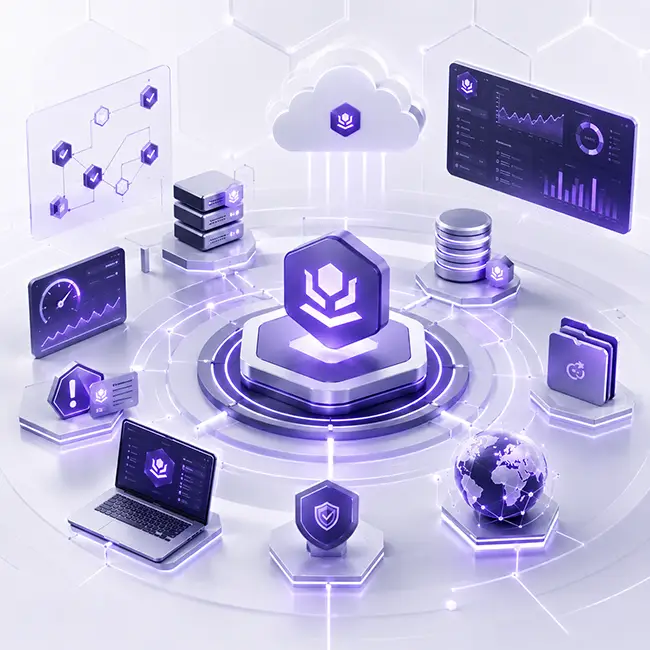
SaaS platform operations system showing application releases, databases, services, infrastructure, monitoring, incidents, and scaling
Platform operating system Release · observe · respond · evolve

From takeover to operating partnership

Stabilize the platform before making operations invisible.

Neoground first reconstructs the running service and responsibility model, then establishes routines that can support continued product change.

  1. 01

    Discover

    Map the running platform

    Understand architecture, services, data, releases, monitoring, backups, vendors, users, incidents, and ownership.

  2. 02

    Stabilize

    Resolve immediate operating gaps

    Improve access, backups, observability, deployment, unsupported dependencies, and the highest-risk failure paths.

  3. 03

    Operate

    Run releases and production

    Maintain the platform, coordinate change, observe health, investigate incidents, and protect continuity.

  4. 04

    Improve

    Use production as evidence

    Strengthen reliability, performance, capacity, architecture, documentation, and the product’s operating model.

Assisted platform operations Automation creates signal and repeatability. Responsibility stays explicit.

Deployment routines, health checks, backups, alerts, log collection, and incident context are automated where dependable. Production changes and consequential responses remain reviewed.

  • Repeatable release and verification routines
  • Application and infrastructure signal collection
  • AI-assisted event and log correlation
  • Human-led prioritization, remediation, and recovery

Operating boundary

Define what Neoground runs and what the product team retains.

Platform Operations can complement an internal product team or carry a much broader share of production responsibility.

Core responsibility

Typical Platform Operations scope

  • Production application and infrastructure overview
  • Release and deployment coordination
  • Monitoring, logs, backups, and routine maintenance
  • Application and infrastructure incident investigation
  • Performance and capacity review
  • Operational documentation and runbooks
  • Technical continuity and escalation
Available extensions

Add the engineering and service level required

  • Application maintenance and feature work
  • Database and data engineering
  • Architecture and modernization
  • Formal service levels and on-call coverage
  • Security and compliance collaboration
  • Disaster-recovery exercises
  • Dedicated operating capacity

FAQ

Platform Operations questions.

A platform review determines whether the current system is ready for recurring operation.

Can Platform Operations work with our internal developers?

Yes. Neoground can own production operation while the internal team retains product development, or share release, reliability, and architectural responsibilities.

The operating boundary is documented so incidents and changes have a clear route.

Does this include application development?

The base operating model covers agreed production and maintenance responsibilities.

Development, modernization, and product work can be included in a broader partnership or scoped separately.

Can you take over a platform with recurring incidents?

Yes, but it normally begins with a paid discovery and stabilization phase.

Persistent application, architecture, data, or process problems are made visible rather than absorbed indefinitely into incident response.

Is formal 24/7 coverage available?

It can be discussed for a suitable platform, budget, and operating model.

The required monitoring, access, runbooks, redundancy, escalation, and staffing must be established explicitly.

Platform Operations

Give the running platform one accountable technical operating partner.

Share the product, architecture, users, current team, providers, release frequency, incidents, and immediate pressure. Neoground will propose the appropriate review, stabilization, and operating model.

Start a platform inquiry Write to Neoground Focused Platform Operations engagements typically begin around $2,250 per month.